
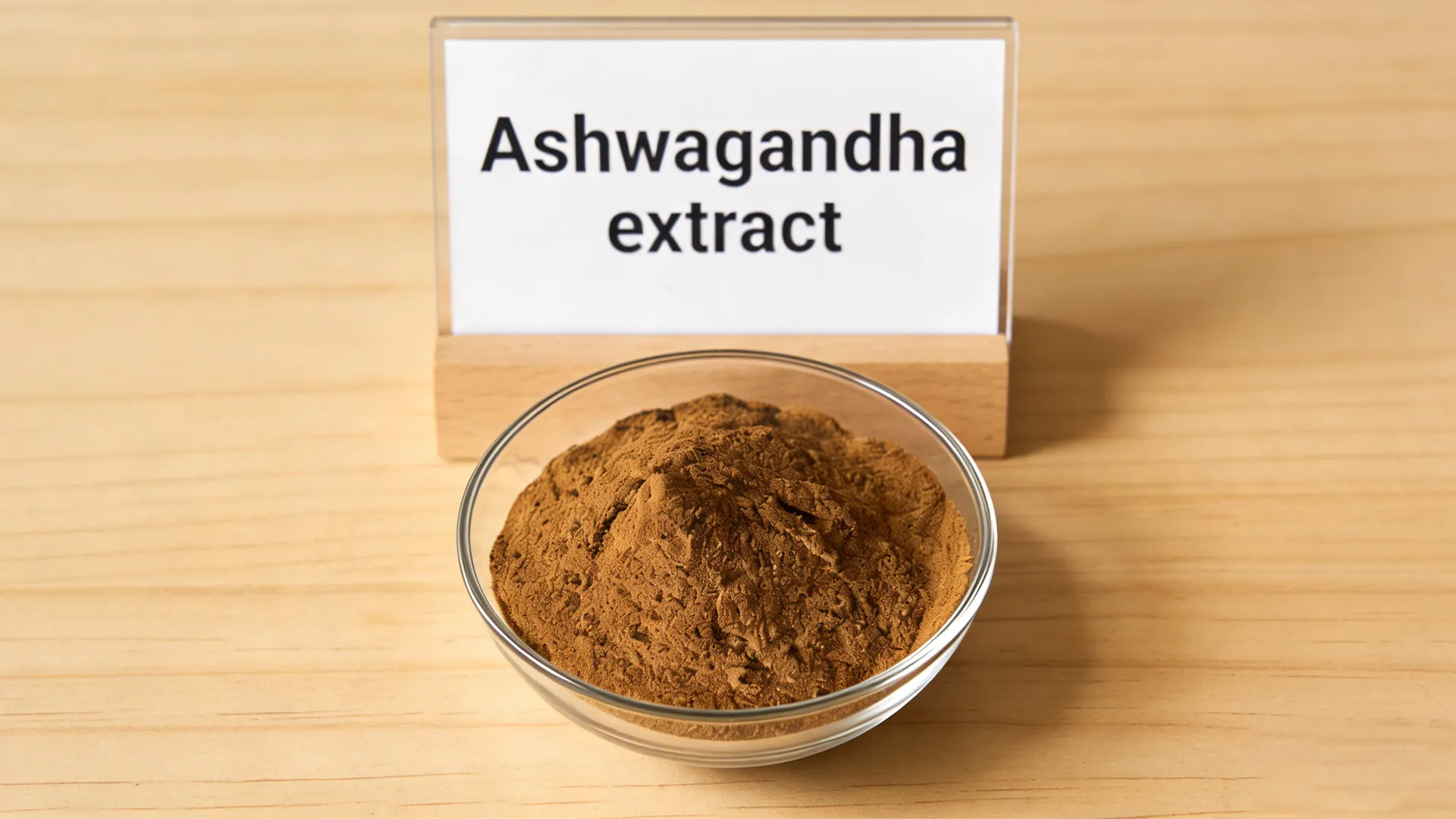
In today's fast-paced and increasingly stressful life, anxiety has become a common problem affecting many people. Xi'an Jennifer Technology Co., Ltd., utilizing its professional efficacy testing platform, conducted systematic and scientific research on Ashwagandha extract, accurately verifying its significant effects in alleviating anxiety and enhancing human immunity.

Ashwagandha, also known as Indian ginseng, is an important component of traditional Indian Ayurvedic medicine. Although it may not look impressive, it possesses rich medicinal value. Many of its health benefits stem from its high concentration of withanolides (including withaferin A, withanolide A, withanolide D, withanolide E, etc.), as well as other active ingredients such as choline, sitosterol, and flavonoids. Among these, withanolides are one of the most important active components in ashwagandha extract, possessing antioxidant properties. They help the body fight against free radical damage, thus maintaining overall health.
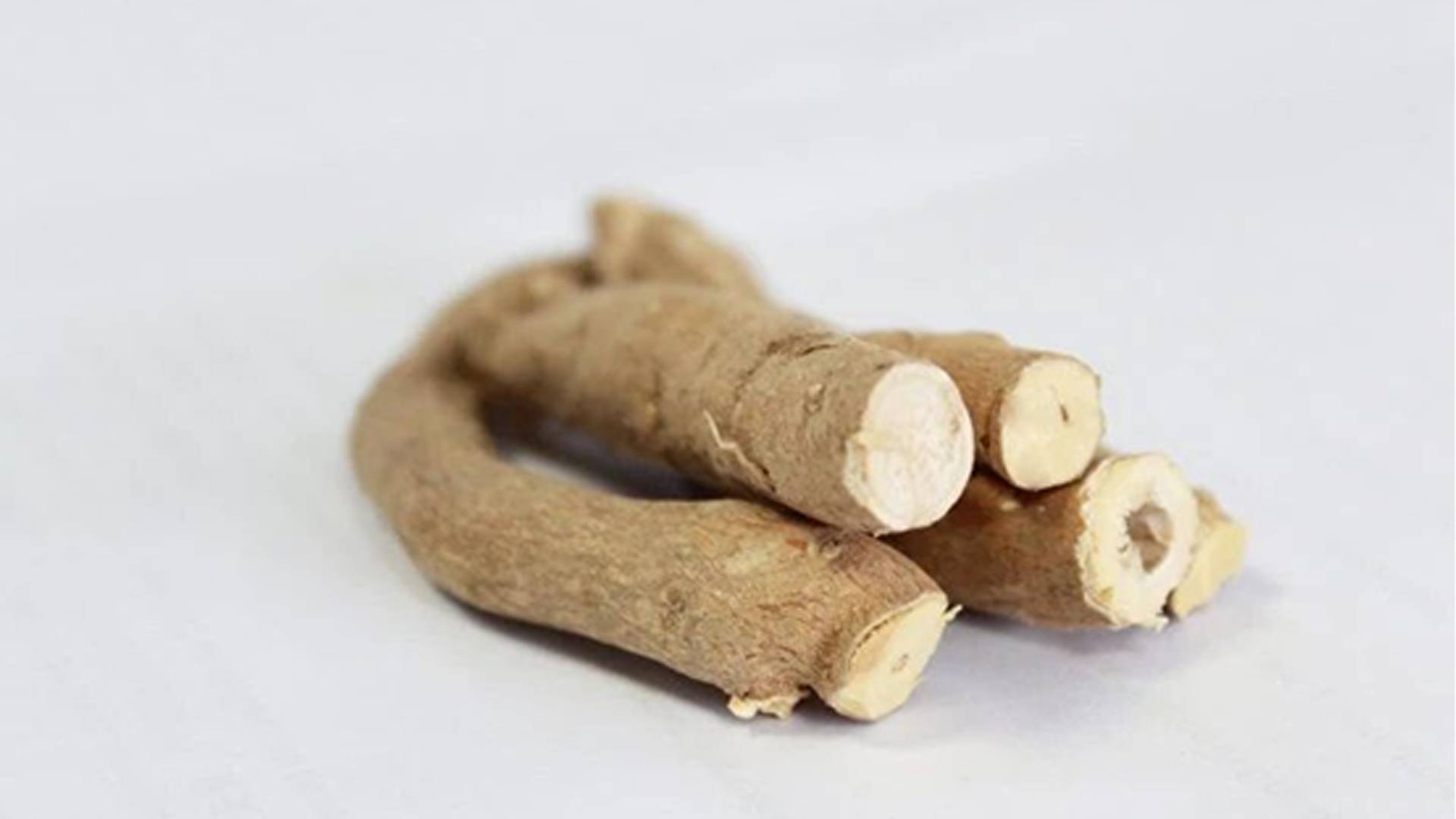
Xi’an Jenifer Technology Co., Ltd. offers Ashwagandha extract in multiple specifications, including 2.5% and 5% concentrations. Using carefully selected high-quality raw materials imported from India and manufactured in accordance with Chinese GMP standards, the product meets US USP standards and is accompanied by corresponding reference standards. Furthermore, it undergoes rigorous testing by independent third-party laboratories, ensuring consistent quality from raw materials to finished product. It demonstrates significant efficacy in relieving stress, reducing anxiety, and improving sleep.
Potential benefits of Ashwagandha
1. Relieve anxiety and stress.
Anxiety disorder is primarily defined as excessive worry, aversion, and fear of things in the environment. It is estimated that the prevalence rate is approximately 19.2% in men and 30.5% in women. Common types of anxiety include panic disorder, social anxiety disorder, social phobia, agoraphobia, generalized anxiety disorder, and post-traumatic stress disorder.
Studies have shown that supplementing with ashwagandha extract can significantly lower cortisol levels in the blood, indicating that ashwagandha plays a role in regulating stress hormones and helping the body reduce stress. Cortisol is a hormone secreted in the body that typically rises in response to stress and stressful situations. However, chronically elevated cortisol levels can have negative effects on physical and mental health, including anxiety, tension, and difficulty sleeping.
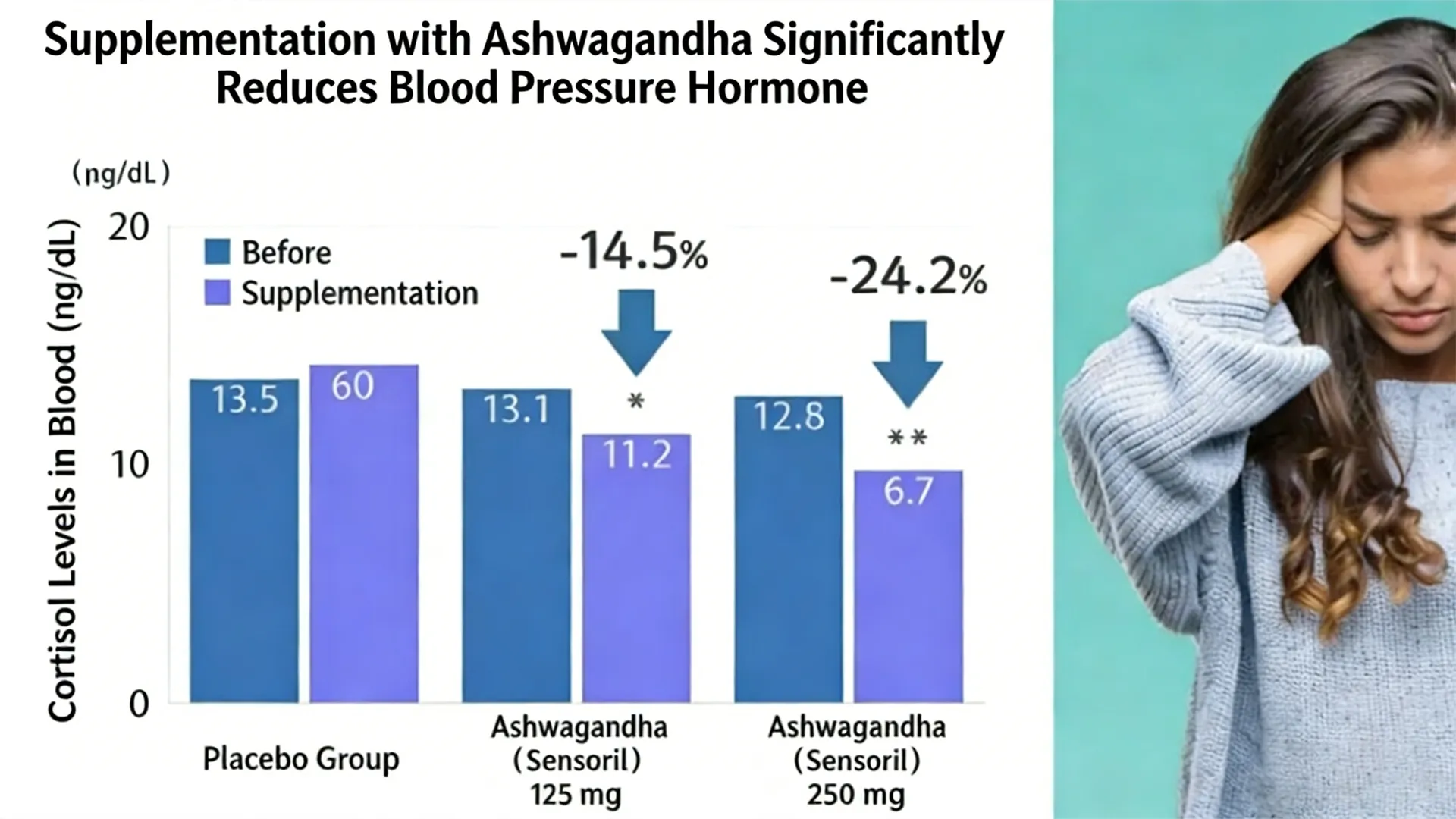
In response to stress stimuli, the HPA axis indirectly leads to increased concentrations of cortisol and DHEA (dehydroepiandrosterone). Excessive increases in DHEA concentration indicate excessive stress or hyperactivity of the HPA axis, while ashwagandha can reduce the activity of the hypothalamic-pituitary-adrenal (HPA) axis. The anxiolytic effects of ashwagandha are also related to its anti-inflammatory and antioxidant properties.
2. Improve sleep quality
Sleep can account for up to 30% of a person's life, leading to the conclusion that any sleep disorder can significantly disrupt the body's homeostasis.
A special study showed that ashwagandha can also improve sleep quality – researchers confirmed that participants who took a dose of the herb slept better compared to those who received a placebo. One group exhibiting symptoms of non-restorative sleep (NRS), characterized by insufficient sleep and feeling tired upon waking, took 120 mg of ashwagandha extract daily for 6 weeks. The results: 72% of subjects experienced improved sleep quality, compared to 29% in the placebo group. Those treated with ashwagandha showed significant improvements in sleep efficiency, sleep duration, and total sleep time, as well as reduced awakenings after falling asleep.
Another randomized, double-blind, placebo-controlled study involving 60 insomnia patients, randomly divided into two groups, demonstrated that taking 300 mg of the extract twice daily improved sleep quality and reduced sleep latency in insomnia patients.
3. Protects nerve and cognitive function.
During the progression of Alzheimer's disease, abnormal deposits of beta-amyloid protein are found in the brain. Its fibrous form is neurotoxic because it induces the formation of free radicals and impairs glucose transport in neurons, leading to brain cell damage and death.
In studies on human nerve cells, ashwagandha has been shown to neutralize the toxic effects of β-amyloid protein, reduce β-amyloid aggregation, and inhibit tau protein accumulation. Furthermore, it significantly inhibits the gene expression of NF-κB-related neuroinflammatory molecules.
With age, oxidative damage in the brain gradually worsens. Ashwagandha extract has been shown to possess antioxidant properties, significantly reducing the production of free radicals. It also regulates cholinergic transmission and may inhibit acetylcholinesterase activity, which could be beneficial in treating cognitive impairment and Alzheimer's disease.
A pilot study published in the *Journal of Dietary Supplements* in 2017 indicated that ashwagandha may be effective in improving immediate and general memory in individuals with mild cognitive impairment. The study involved 50 adults who received either 300 mg of ashwagandha root extract or a placebo for eight weeks. The researchers concluded that ashwagandha treatment improved memory and other cognitive skills.
4. Increase muscle mass and strength
Researchers continue to study the effects of ashwagandha on increasing strength and muscle size. One study found improvements in both speed and strength among participants. Another study observed increased muscle strength, decreased body fat percentage, and lower cholesterol levels after consuming ashwagandha. Some participants also reported improved sleep, but this study did not compare ashwagandha dosage to a placebo.
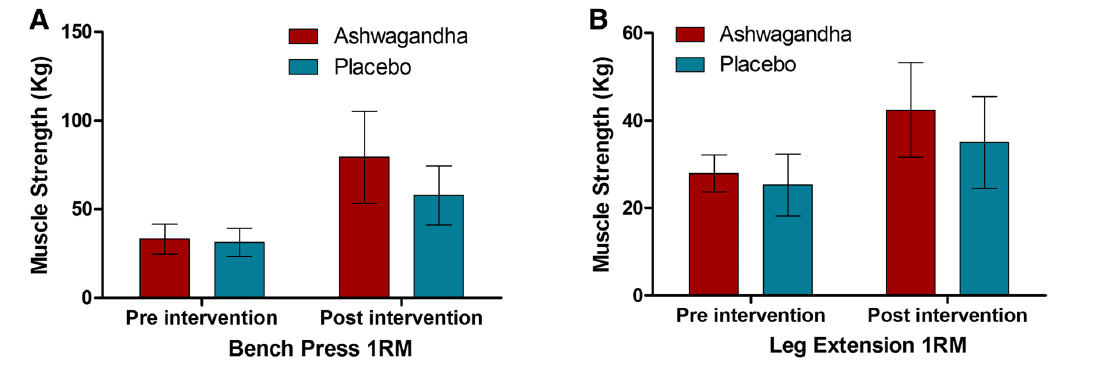
A systematic literature review and meta-analysis (including 12 studies with a total of 615 healthy adults) indicated that, compared to a placebo, ashwagandha supplementation helped improve strength/power, cardiovascular fitness, and fatigue/recovery-related variables.
5. Improving male fertility
Most cases of male infertility are due to low sperm concentration and reduced motility, and ashwagandha can offer reproductive benefits for men. Studies have shown that administering ashwagandha to infertile men can significantly improve sperm quality by rebalancing reproductive hormone levels. One study showed that 14% of the male participants' partners became pregnant.
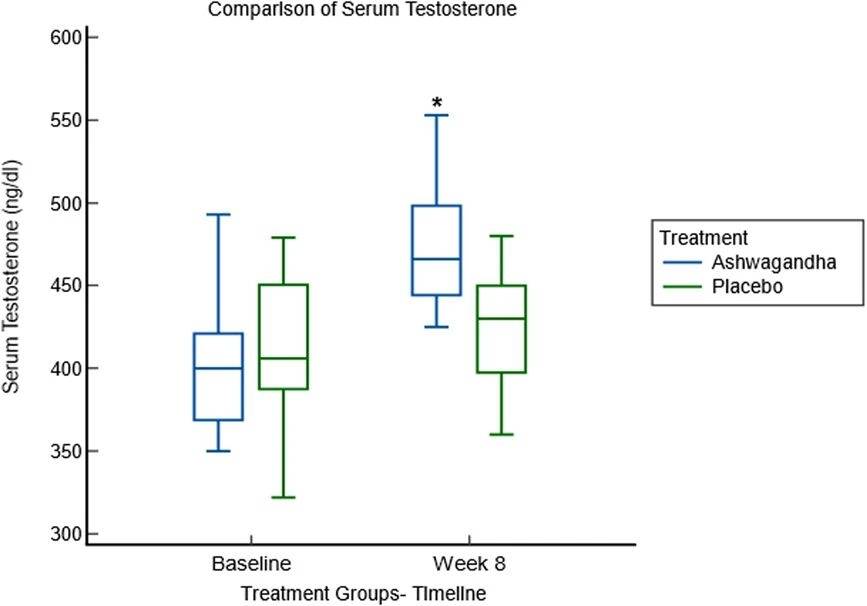
Among all androgens, testosterone plays a crucial role, initiating spermatogenesis by activating androgen receptors. Withanolides in Ashwagandha, whose chemical structure is similar to testosterone, may contribute to this effect. In a study on Ashwagandha related to stress, researchers found that this herb increased testosterone levels in male but not female participants. Another study testing the effects of Ashwagandha on male muscle strength also measured a significant increase in testosterone levels.
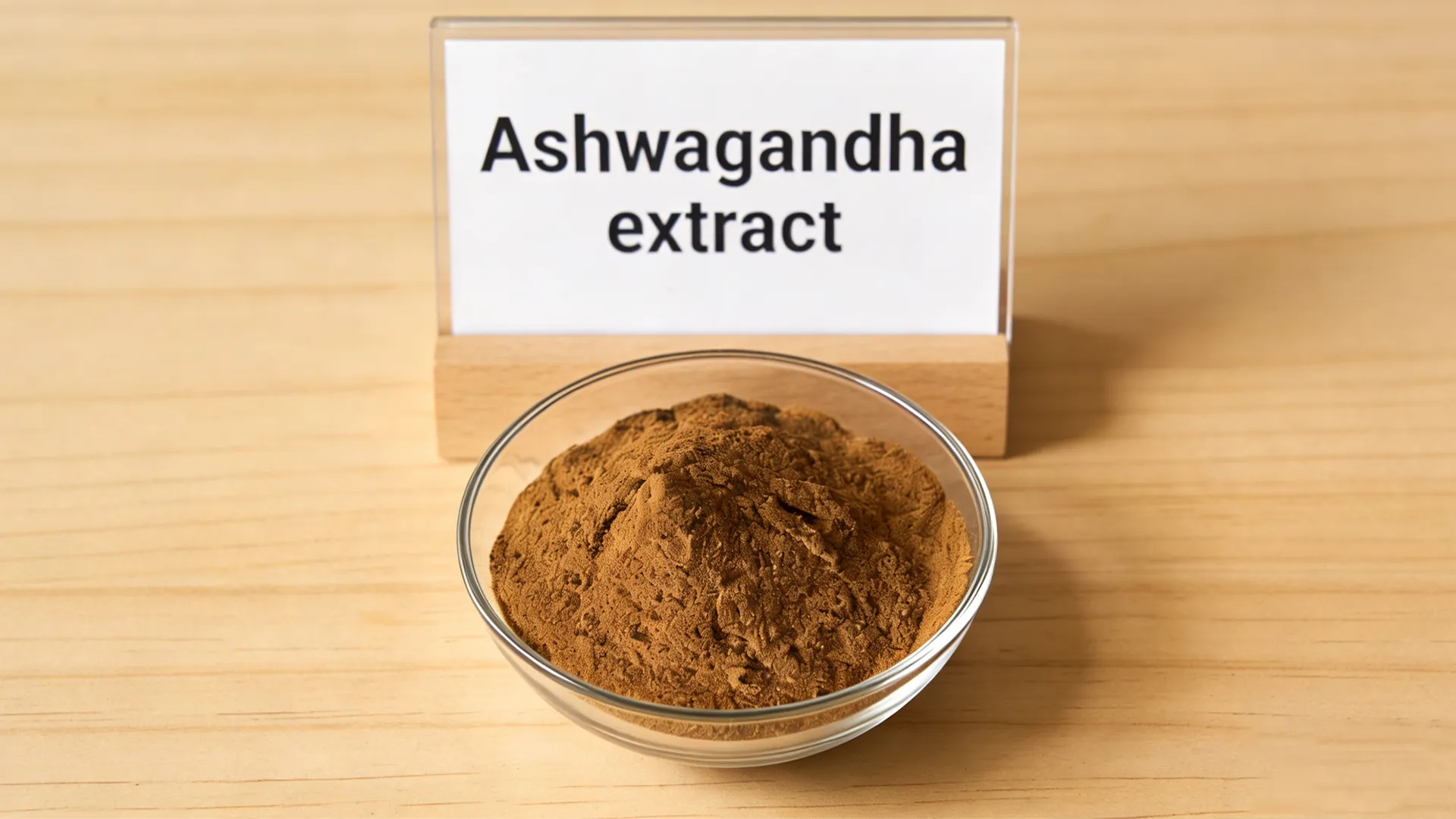
Xi'an Jenifer Technology Co., Ltd. offers Ashwagandha extract, leveraging a global high-quality supply chain, international authoritative standards, and multi-specification customization as its core advantages. They control quality throughout the entire process, from raw materials to finished products, ensuring that the natural active ingredients provide stable and effective effects for regulating blood pressure and promoting sleep.