
NAD+ and NADH, collectively known as coenzyme 1, are important substances naturally present in human cells. NAD+ is the oxidized form, and NADH is the reduced form; they are interconverted through redox reactions and are both essential. Typically, the concentration of NAD+ is higher than that of NADH in cells, but they maintain a dynamic equilibrium at a specific ratio, regulating cellular physiological functions.
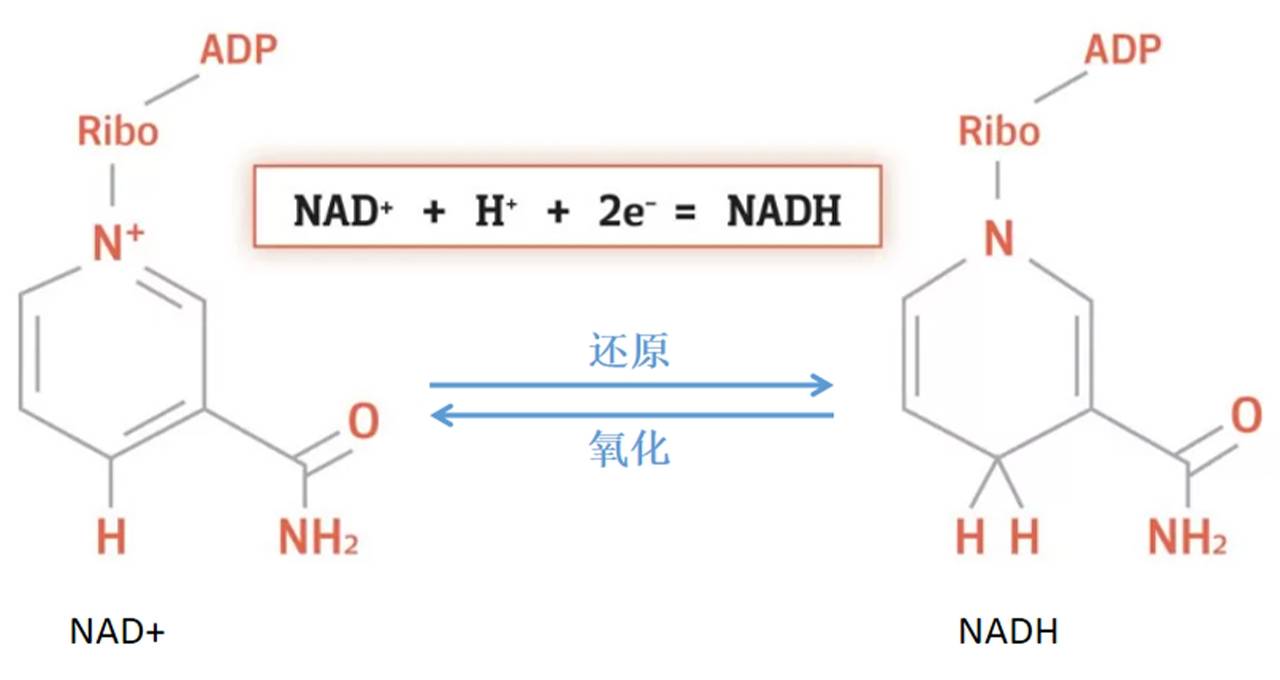
In recent years, the booming field of aging research has brought NAD+ into the spotlight as a key player in anti-aging. NAD+ plays multiple roles in delaying aging, including activating Sirtuins (longevity proteins), activating DNA repair enzymes (PARPS), protecting mitochondrial function, regulating circadian rhythms, protecting telomeres, a nd providing anti-inflammatory and antioxidant effects. There is great enthusiasm for NAD+, with some even mistakenly believing that more NAD+ is always better, and viewing NADH as a "monster" harmful to delaying aging.
In reality, NADH and NAD+ are not simply a binary opposition, and the role of NADH is not merely the opposite of NAD+. In terms of anti-aging, it's undeniable that NADH benefits from its relationship with NAD+. NADH exerts its anti-aging effects by converting to NAD+, thus increasing NAD+ levels. However, the positive effects of NADH itself on cells should not be overlooked, such as its involvement in energy production, antioxidant activity, protection of nervous system function, and regulation of blood flow.
Today we're going to learn about real NADH.
1.NADH increases NAD+ levels.
As early as 2005, research published in Neuroreport by a research team from the University of California, San Francisco, found that adding NADH to astrocyte culture medium significantly increased intracellular NAD+ levels. This provided the first direct evidence of NADH's ability to increase intracellular NAD+.
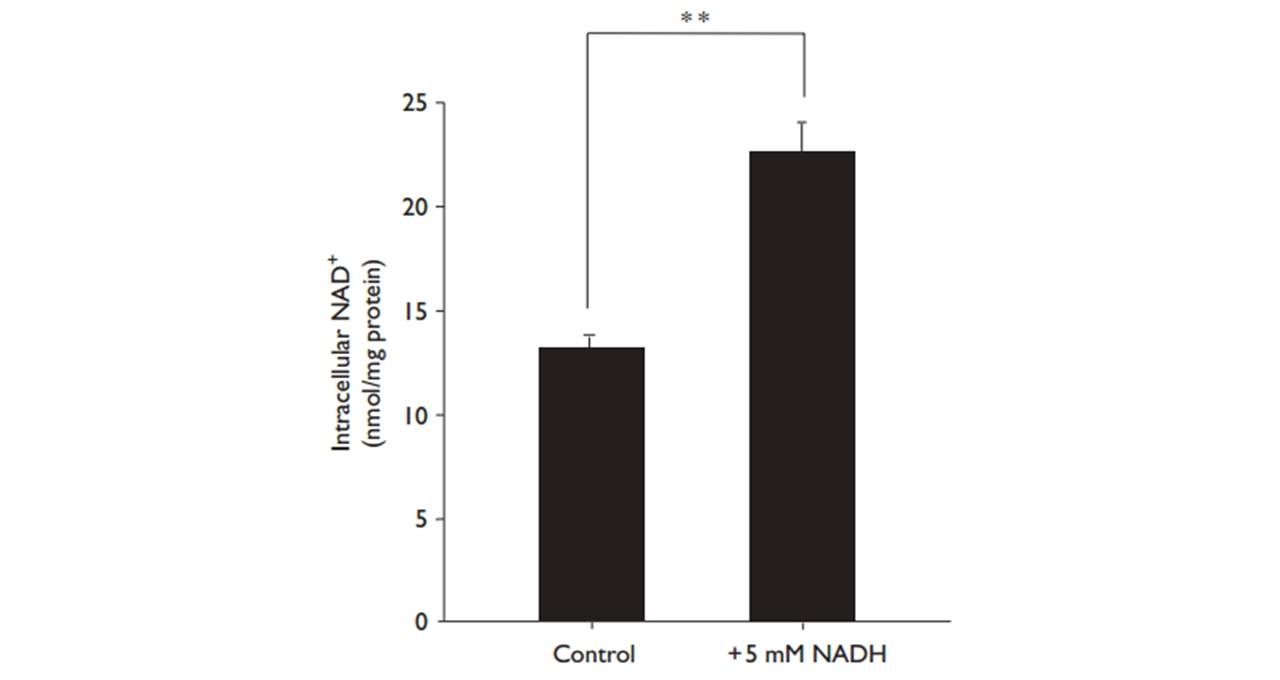
NADH limits the increase of NAD+ levels in astrocytes. (Source: Neuroreport, 2005, 16 (11))
After entering astrocytes, NADH exerts a cytoprotective effect, reducing cell death caused by the cytotoxic substance MNNG. Furthermore, compared to NAD+, NADH significantly reduces cell death at lower doses, while NAD+ requires higher doses to achieve a similar effect, demonstrating that NADH provides stronger protection against MNNG-induced cell death than NAD+.
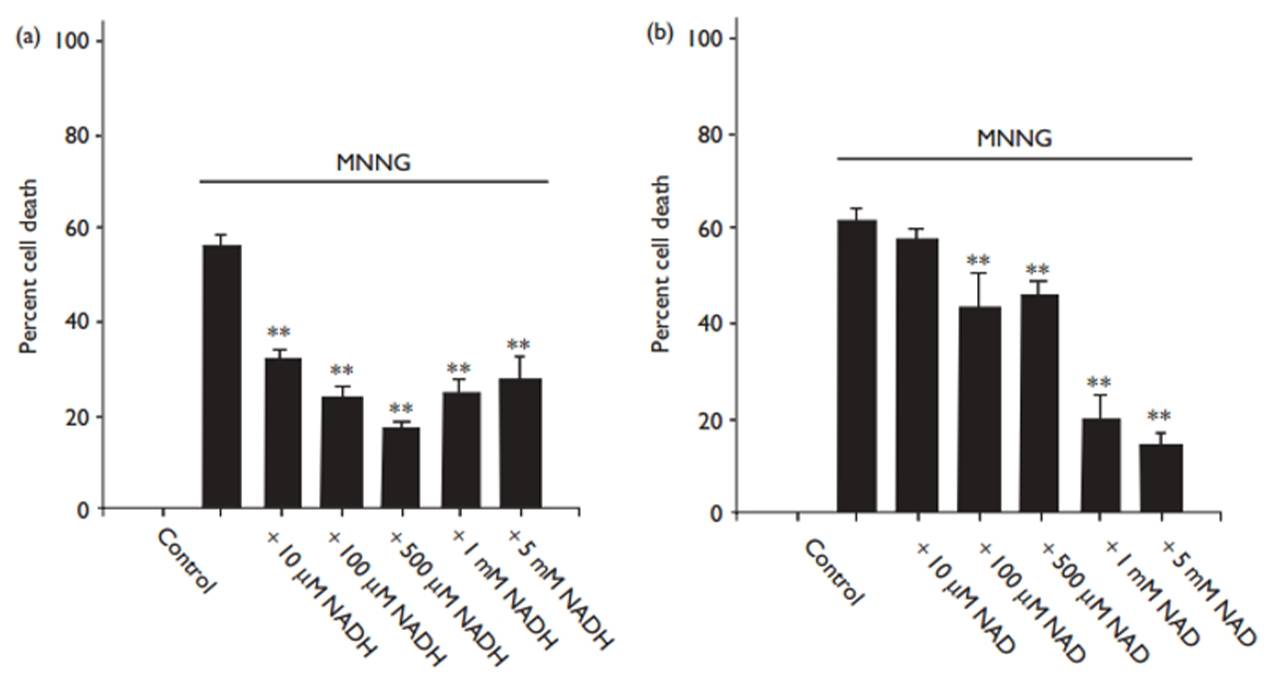
NADH (a) and NAD+ (b) reduced MNNG-induced astrocyte death. (Source: Neuroreport, 2005, 16 (11))
The team further investigated the mechanism by which NADH enters cells and found that NADH is transported into astrocytes through a mechanism mediated by P2X7 receptors on the cell membrane. After entering the cell, NADH increases both NADH and NAD+ levels. At lower doses of NADH, the primary increase is in intracellular NAD+ levels, while higher doses of NADH are required to increase intracellular NADH levels. It is hypothesized that NADH entry into the cell increases the total amount of intracellular NADH and NAD+, but the cell then "rebalances" the ratio of NADH and NAD+ through biochemical reactions to maintain a suitable intracellular redox state.
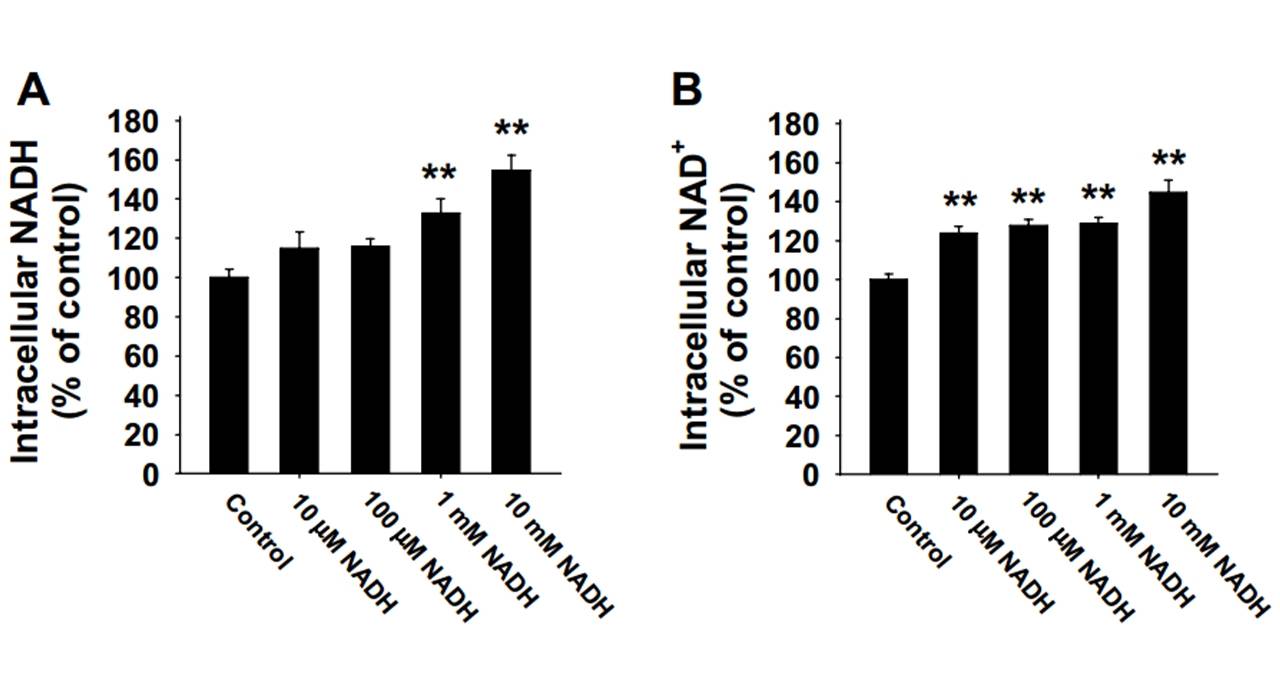
NADH treatment affects the concentrations of NADH (A) and NAD+ (B) in astrocytes. (Source: Biochemical and Biophysical Research Communications, 2007, 362 (4))
A research team at Charles R. Drew University of Medicine and Science also found that injecting NADH into the abdominal cavity of mice significantly increased NAD+ levels in various tissues of the mice. Furthermore, when using equivalent doses of NADH, NMN, and NRH, NADH had the most significant effect on increasing NAD+ levels, followed by NRH and then NMN.
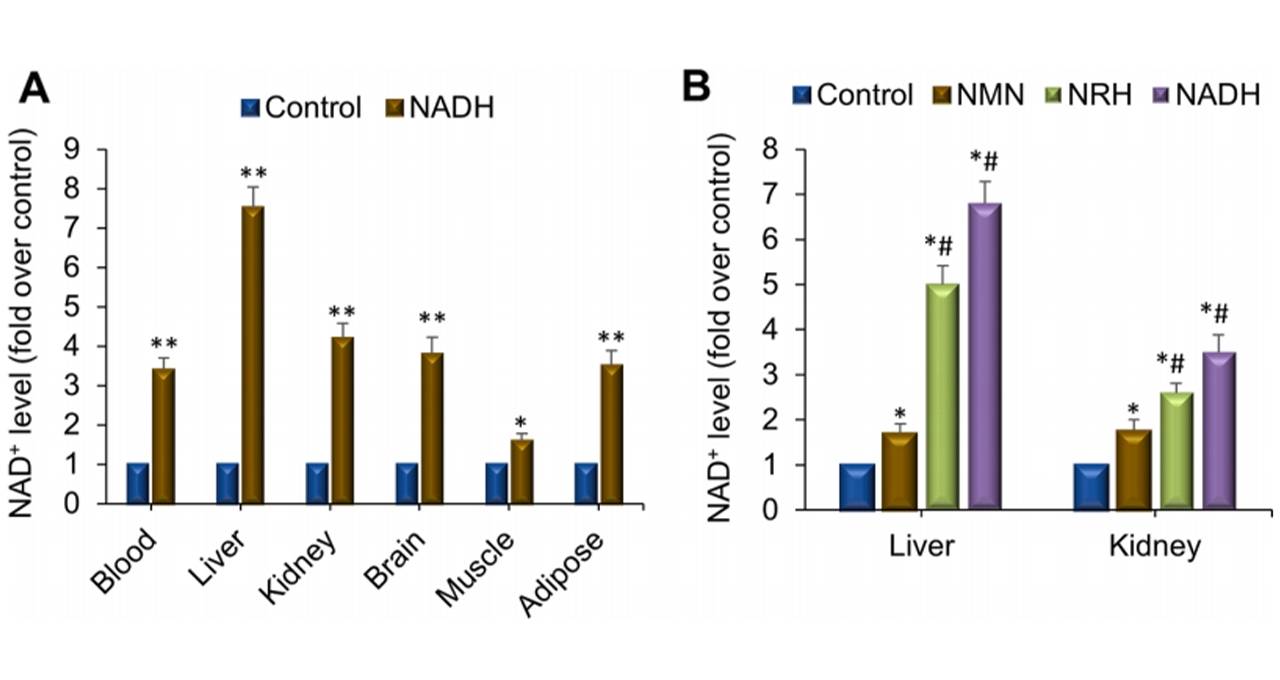
(A) Intraperitoneal injection of NADH significantly increased NAD+ levels in various tissues of mice;
(B) NADH was more effective than NRH and NMN in increasing NAD+ levels in mouse liver and kidney tissues.(Source: Journal of Functional Foods, 2021, 87)
These research findings all point to the fact that NADH does indeed increase NAD+ levels in cells and tissues; therefore, the anti-aging effect of NADH through increasing NAD+ levels is self-evident.
2.The antioxidant effect of NADH
As a reducing molecule, NADH neutralizes highly reactive free radicals, preventing them from damaging important membrane lipids, DNA, and proteins in cells.
Oxidized low-density lipoprotein (LDL) is a major culprit in the development of atherosclerosis. Studies on the effects of NADH against LDL oxidation show that when LDL is induced by hydrogen peroxide (H2O2) free radicals in vitro, NADH exhibits the same antioxidant effect as ascorbic acid (vitamin C) during the first 90 minutes. However, after 90 minutes, ascorbic acid ceases to be effective, while NADH continues to exert its antioxidant effect. This indicates that NADH provides a more sustained protection against free radical-induced oxidation of LDL.
Hemoglobin is a protein in the human body responsible for transporting oxygen. Under normal circumstances, the iron in hemoglobin (Hb) is in the ferrous state. However, when hemoglobin is oxidized into methemoglobin (MetHb), it loses its oxygen-carrying function. Naturally, some hemoglobin is oxidized into methemoglobin, but NADH, due to its antioxidant properties, helps reduce methemoglobin, preventing toxic methemoglobinemia.
Furthermore, NADH is located at the deepest level of the antioxidant cascade reaction and can build a more comprehensive intracellular antioxidant defense system by regenerating other antioxidants such as coenzyme Q10, glutathione, and ascorbic acid (vitamin C).
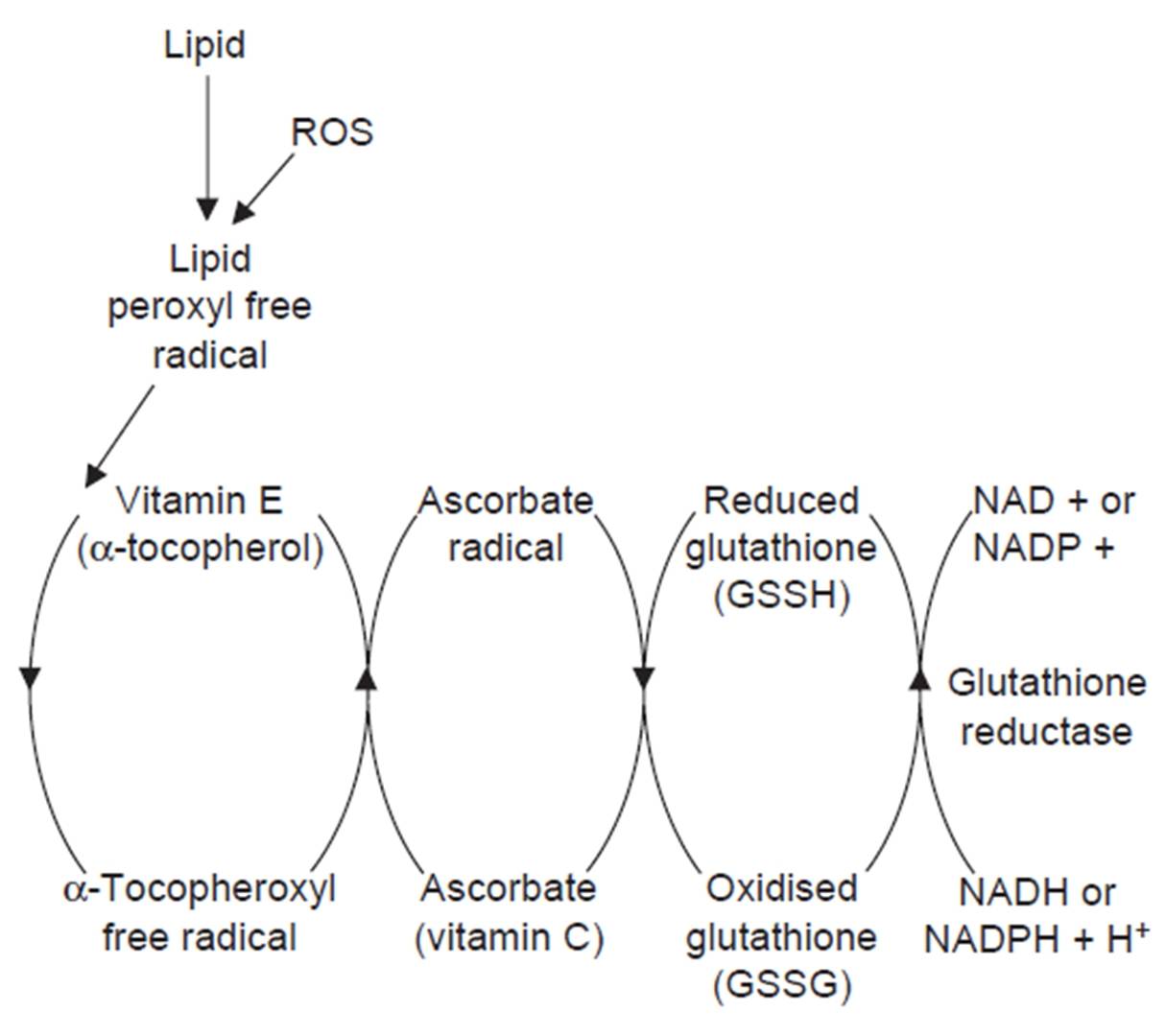
Antioxidant cascade reactions in cells. (Source: Sports Medicine, 1999, 28(3))
3.The regulatory effect of NADH on blood flow
NADH is not only an electron carrier in energy metabolism but also a "sensor" for blood flow regulation. When NADH levels increase, it often indicates enhanced cellular metabolic activity (such as nerve excitation or muscle contraction) or a special metabolic state (such as hypoxia or hyperglycemia). In these situations, NADH activates redox signaling pathways in vascular endothelial cells and smooth muscle cells (such as nitric oxide and superoxide production), promoting vasodilation and thus increasing blood flow to meet the tissue's demand for oxygen and nutrients.
When NADH levels decrease, it usually reflects reduced cellular metabolic demand or a tendency towards redox balance. In this case, the activation of the aforementioned signaling pathways weakens, the blood vessels may return to their basal tension state, and blood flow will decrease accordingly. For example, injecting pyruvate in experiments reduces intracellular NADH levels, and the resulting increase in blood flow is inhibited. This directly confirms the correlation between decreased NADH and reduced blood flow.
This dynamic regulation of "NADH concentration-blood flow" is essentially a crucial mechanism for maintaining metabolic balance in the human body. Through NADH "signaling," it precisely matches blood flow supply with cellular energy demand, preventing both excessive energy consumption due to excessive blood flow and situations where tissue metabolic needs are not met. This mechanism plays a key role in both physiological states (such as exercise and thinking) and pathological states (such as diabetes and hypoxia).
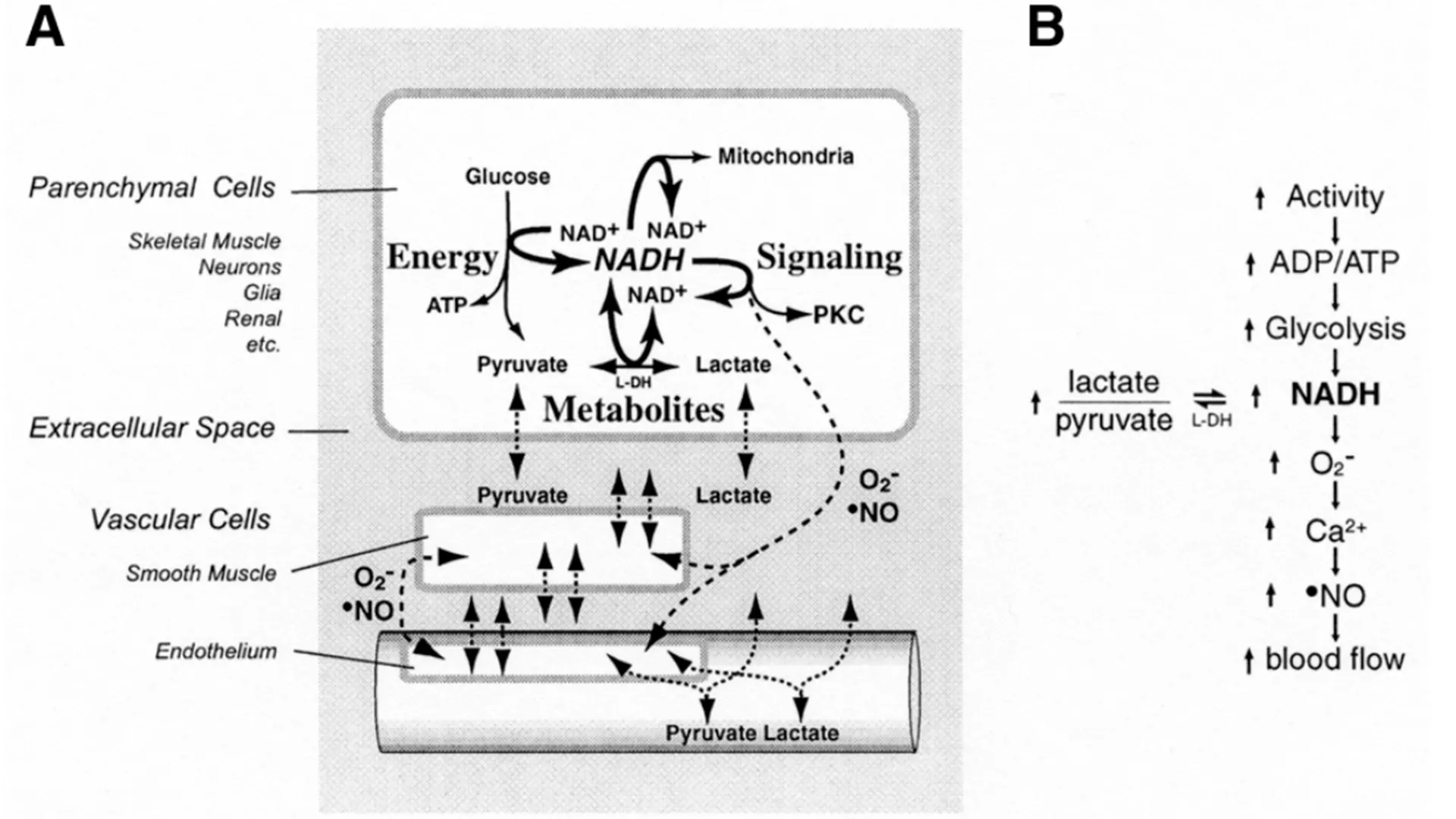
The central role of NAD in energy metabolism and blood flow signaling. (Source: The FASEB journal, 2001, 15 (8))
In summary, NADH itself is a highly versatile "multi-talented warrior" with a wide range of capabilities.
Industry insiders point out that as scientific research on NADH deepens and consumer demand for efficient cellular wellness products grows, the global market for high-stability, high-bioavailability NADH raw materials will continue to expand. Xi’an Jenifer will further strengthen technological R&D, expand global supply chain layout, and deepen cooperation with partners in various regions, striving to become a core supplier of global NADH raw materials and jointly promote the high-quality development of the global cellular wellness industry.