
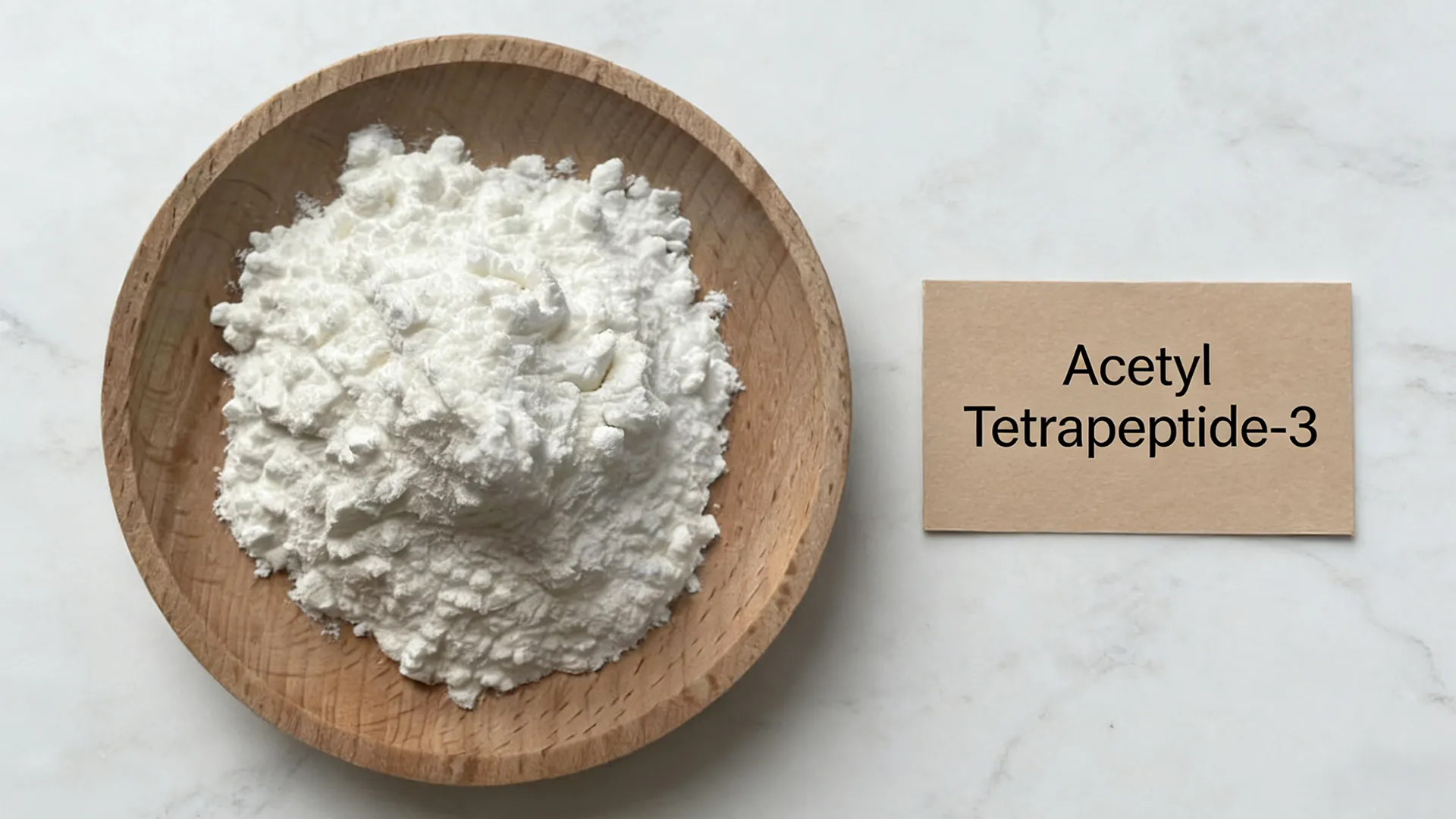
The fast pace of life and the immense pressure of work and life have led to an increasing number of people facing the problem of hair loss.

Data from a 2019 survey by the National Health Commission shows that over 250 million people in my country suffer from hair loss, meaning one in six people experience it. Of these, approximately 163 million are men and 88 million are women. The proportion of those experiencing hair loss is as high as 84% in their 20s and 30s, and the age of onset is 20 years earlier than the previous generation, indicating a clear trend towards younger onset. This trend has spurred demand for hair loss prevention and treatment, leading to the rapid development of the hair industry.
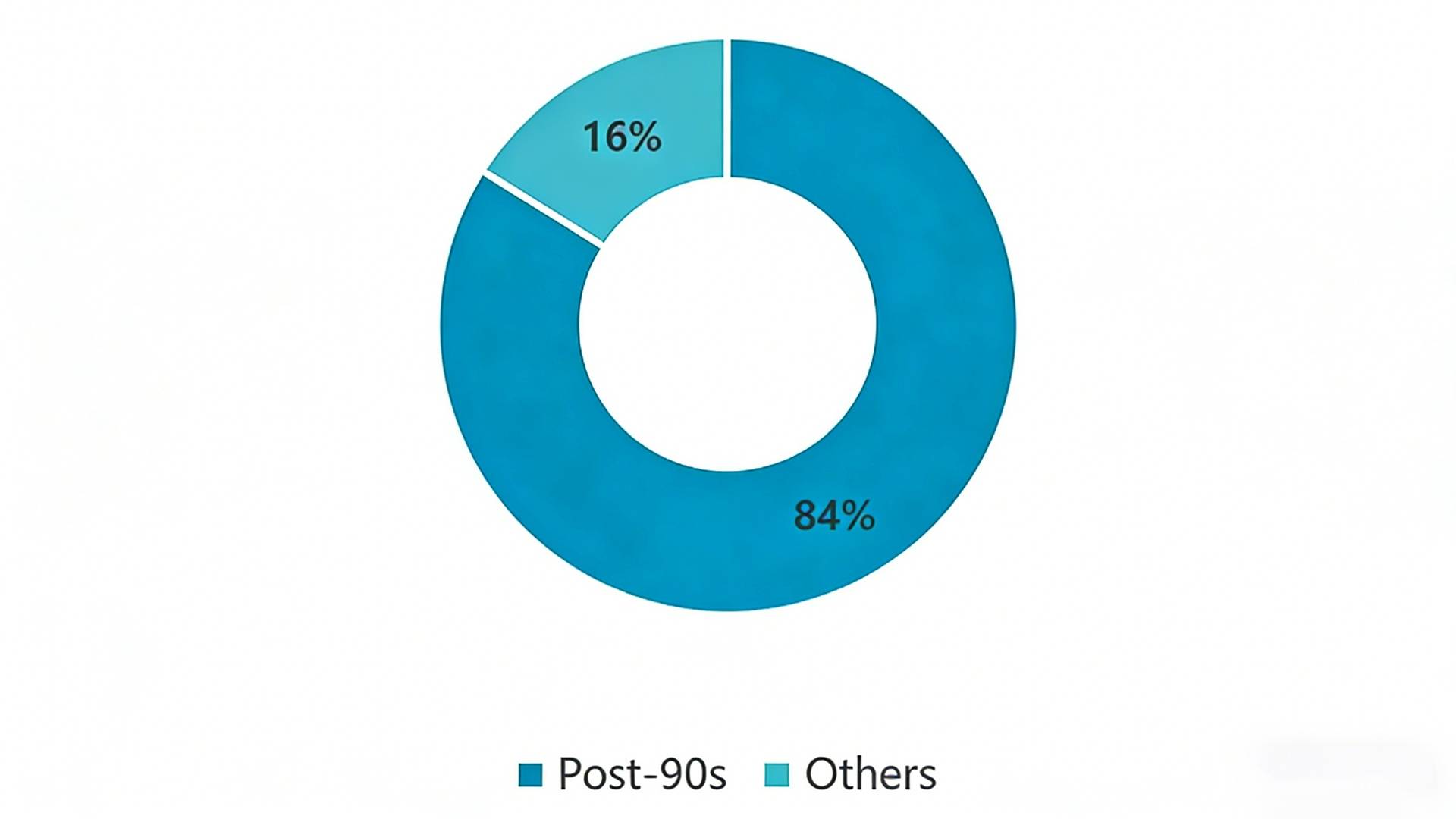
Figure: Age distribution of people with hair loss in China in 2019 (%)
Although various anti-hair loss products have appeared on the market and shown great commercial potential, side effects often deter people. So how should one choose? Today, we'll introduce one of the leading anti-hair loss ingredients—acetyl tetrapeptide-3.
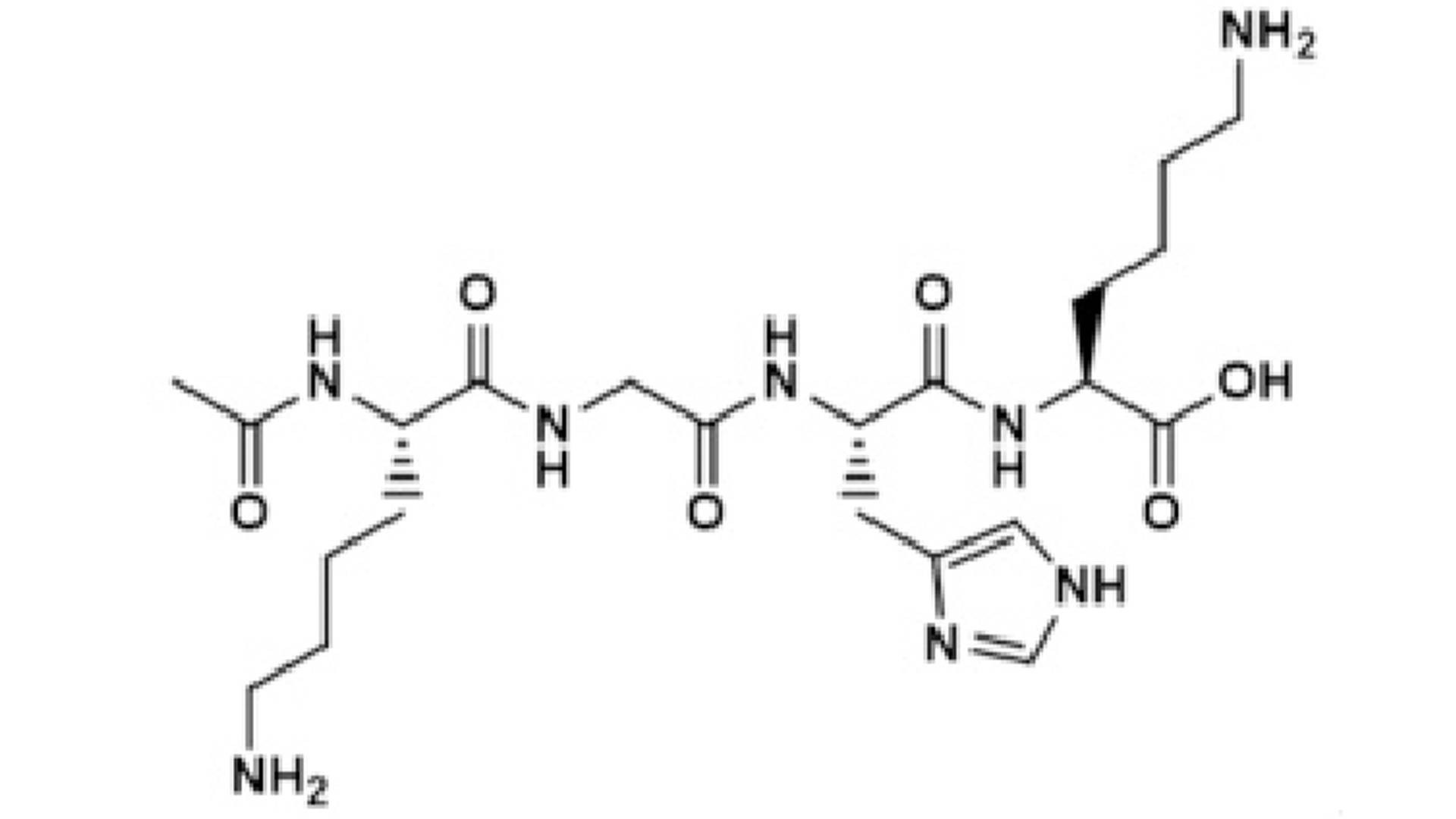
Figure: Structure of Acetyl Tetrapeptide-3
Acetyl tetrapeptide-3 is a biomimetic peptide composed of four amino acids. It mimics the functions of natural peptides in the human body, stimulating cell proliferation and controlling cell differentiation, participating in intercellular communication, and stimulating hair follicle development. Simultaneously, acetyl tetrapeptide-3 can accelerate the formation of extracellular matrix (ECM) proteins, such as adhesion proteins, collagen III and VII, thereby effectively improving hair follicle structure, increasing hair anchoring stability, stimulating natural eyebrow and hair growth, effectively reducing hair loss due to aging, and resulting in thicker, more natural, smoother, and firmer eyebrows and hair.
causes of hair loss
Hair consists of the hair shaft, hair follicle, hair bulb, and dermal papilla at the root end. The part visible to the naked eye is called the hair shaft, while the part hidden deep within the skin is called the hair root. The hair follicle is a sheath-like sac composed of epithelial and connective tissue, a sac-like structure formed by the downward growth of the epidermis, covered by a fibrous sheath evolved from the epidermis. The hair root and the end of the hair follicle swell, called the hair bulb. Cell division is active in the hair bulb, which is the growth point of the hair. The base of the hair bulb is concave, and connective tissue protrudes into it, forming the dermal papilla. The dermal papilla, also known as the dermal papilla, is a structure that induces hair follicle growth, regulates hair follicle development and cyclical growth, and is composed of extracellular matrix (ECM) and fibroblasts.
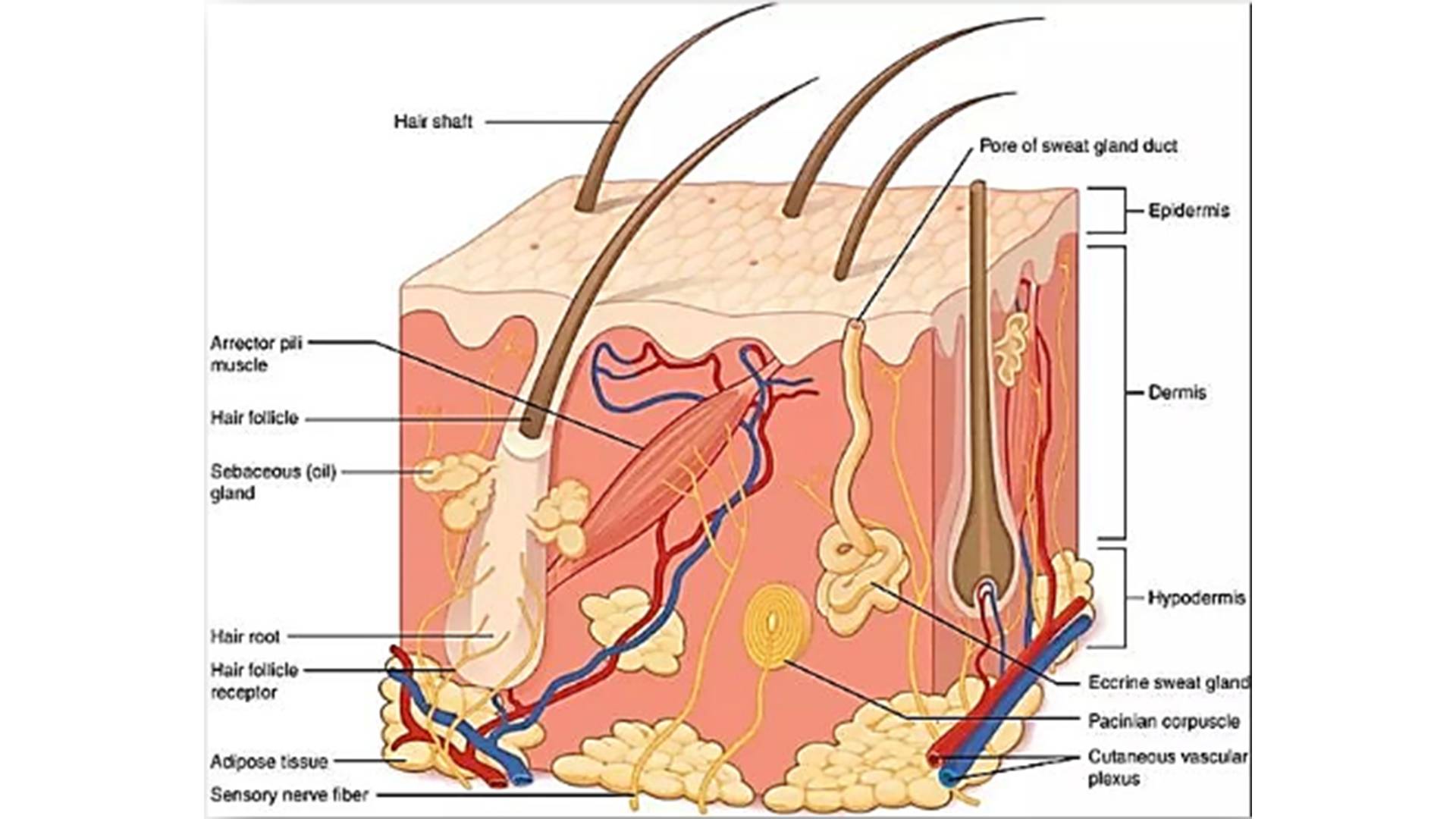
Hair papilla cells play a dominant role in hair follicle development and the regulation of the hair growth cycle; their size and volume depend on the volume of the ECM (extracorporeal membrane tissue). If the hair papilla atrophies or is damaged, hair growth stops and the hair gradually falls out. A healthy hair papilla produces ECM proteins, such as type III collagen, anchoring fibers, laminin, and type VII collagen, which stabilize the hair follicle, anchoring the hair to the tissue surrounding the hair root, thus strengthening the hair root. When hair follicle function weakens, is damaged, or the hair growth cycle is disrupted, the anchoring of the hair follicle is also impaired, leading to hair loss.
Mechanism of action of acetyl tetrapeptide-3
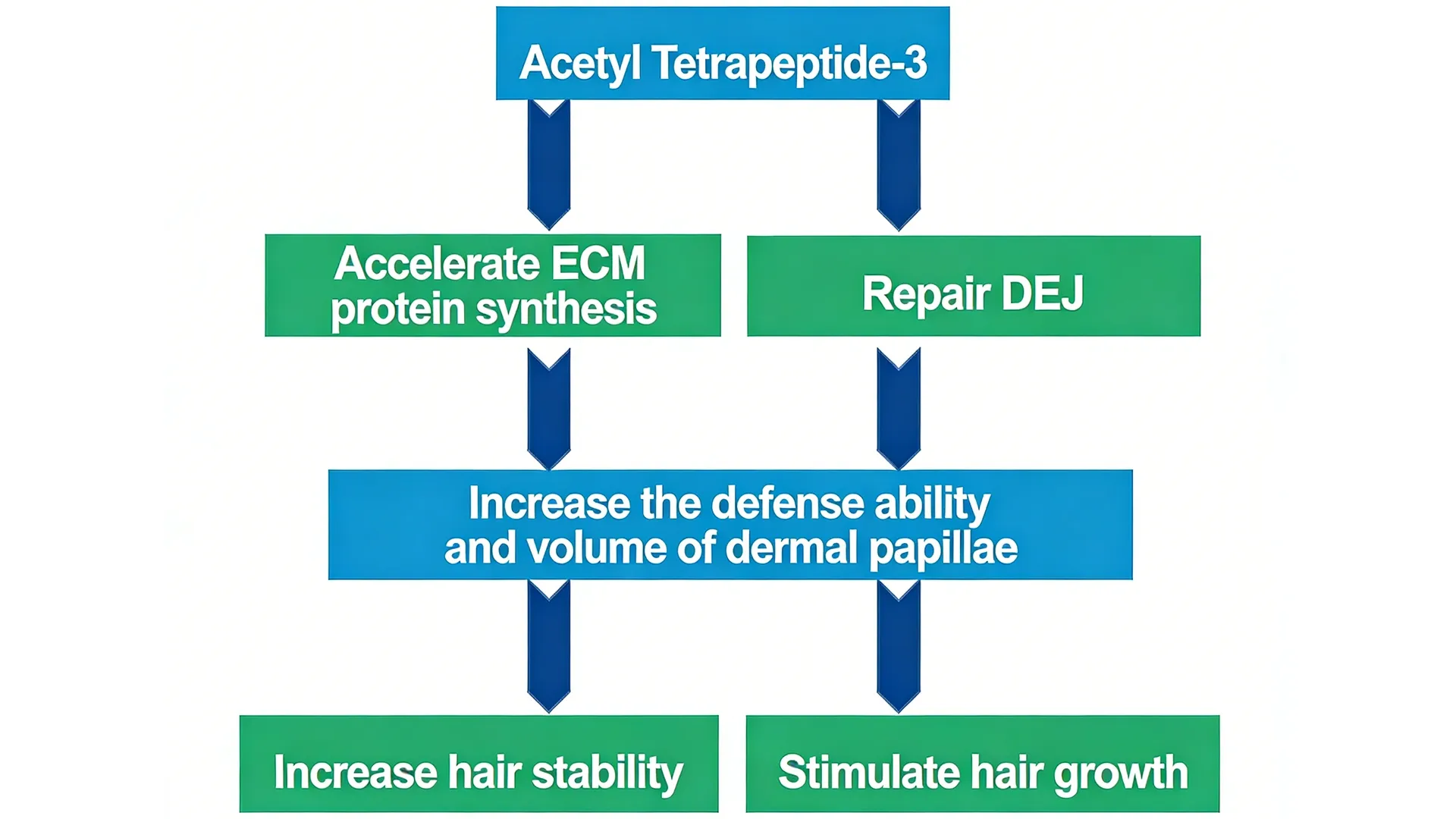
Acetyl tetrapeptide-3 accelerates the synthesis of extracellular matrix proteins (such as laminin, collagen III and VII) through fibroblasts, directly acting on the tissues surrounding hair follicles to increase the volume and length of hair follicles, repair the epidermal-dermal junction, promote hair fixation within the hair follicle, and maintain a normal hair follicle cycle.
In vivo and in vitro testing
Promotes the production of collagen in the dermal nipple.
Researchers determined the effect of acetyl tetrapeptide-3 on collagen synthesis by comparing the levels of hydroxyproline produced in human fibroblasts with and without acetyl tetrapeptide-3. Data showed that cells treated with acetyl tetrapeptide-3 exhibited high levels of hydroxyproline, indirectly demonstrating that acetyl tetrapeptide-3 can stimulate collagen production, and also implying that this compound can stimulate the generation of collagen in the dermal papillae.
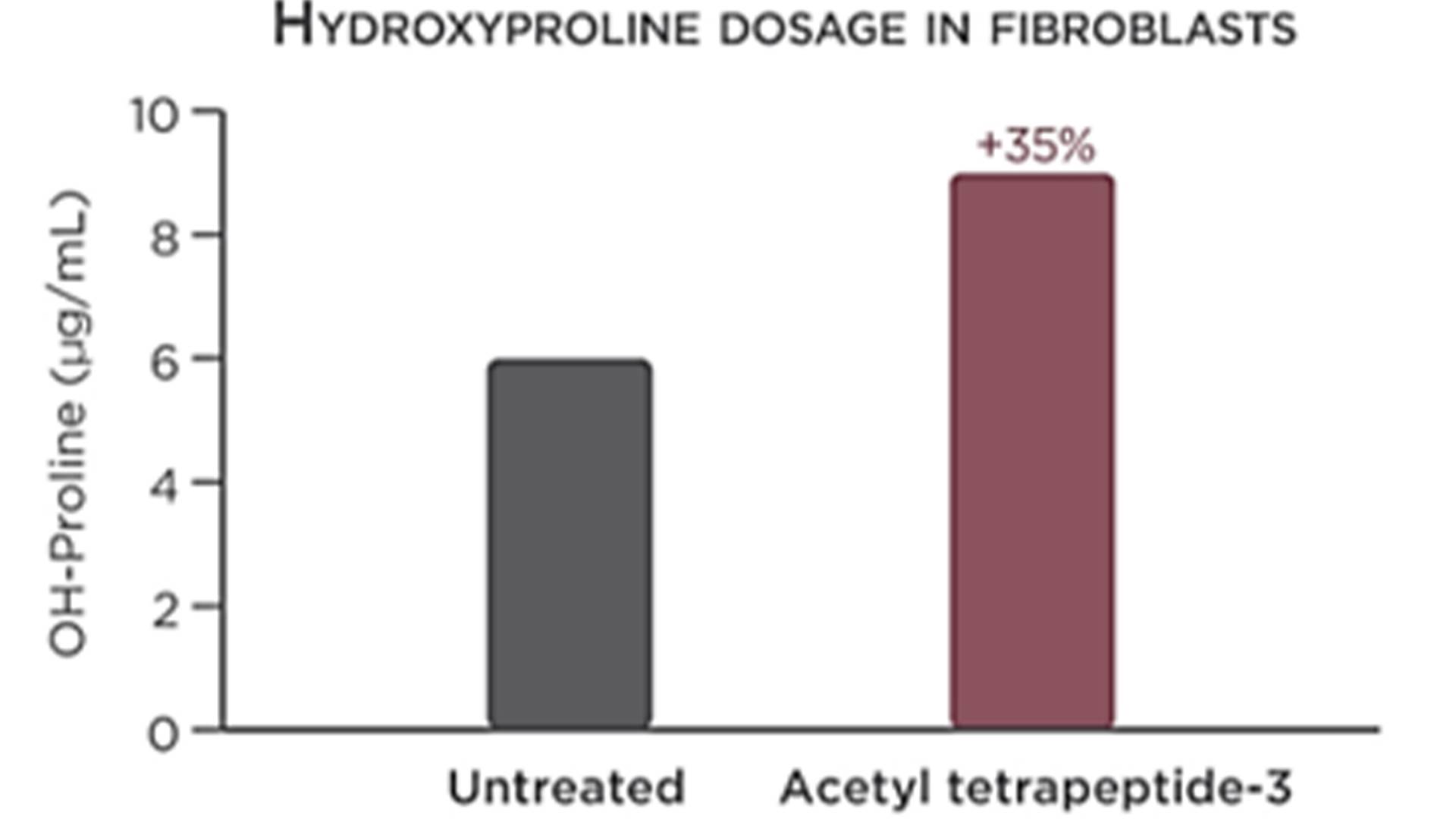
Figure: Hydroxyproline content in fibroblasts
Promote ECM protein synthesis
Researchers used selective immunofluorescence to compare fibroblasts treated with and without acetyl tetrapeptide-3 to observe the synthesis of ECM proteins. Acetyl tetrapeptide-3 strongly induced the synthesis of ECM proteins such as laminin and collagen III, increasing the content of laminin and collagen III by 65% and 285%, respectively, and stimulated skin remodeling, resulting in enlarged hair follicles.
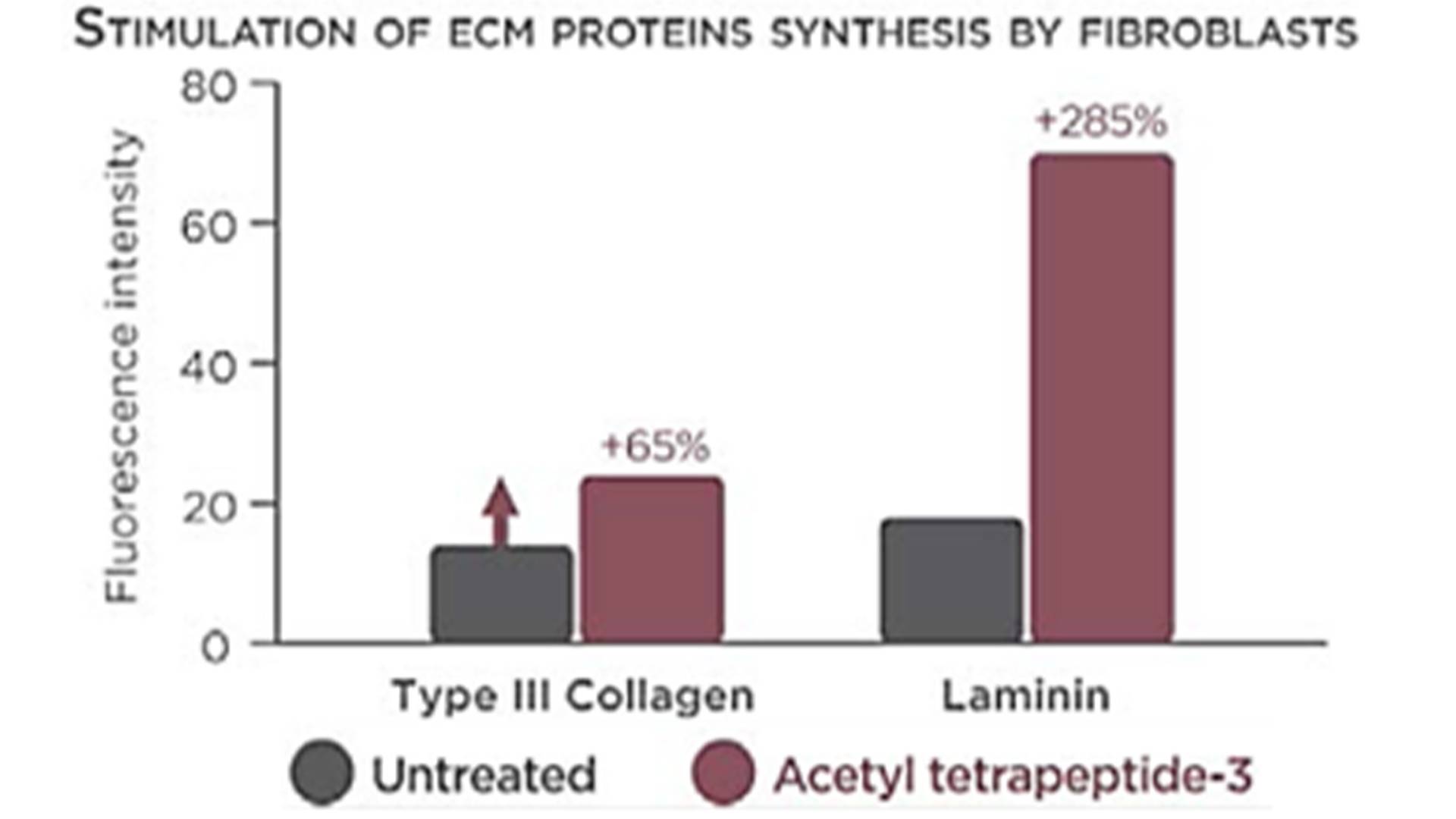
Figure: Stimulation of ECM protein synthesis by fibroblasts
Stimulate hair growth
Researchers isolated healthy human hair follicles from the scalp using microscopic dissection and cultured them for 8 days in media with and without 0.0006% acetyl tetrapeptide-3 to determine the effect of acetyl tetrapeptide-3 on the hair shaft growth rate. The results showed that after 8 days, compared to untreated follicles, the hair shaft length of follicles treated with acetyl tetrapeptide-3 increased by 35%, demonstrating that acetyl tetrapeptide-3 strongly stimulates human hair growth at a higher rate than minoxidil.
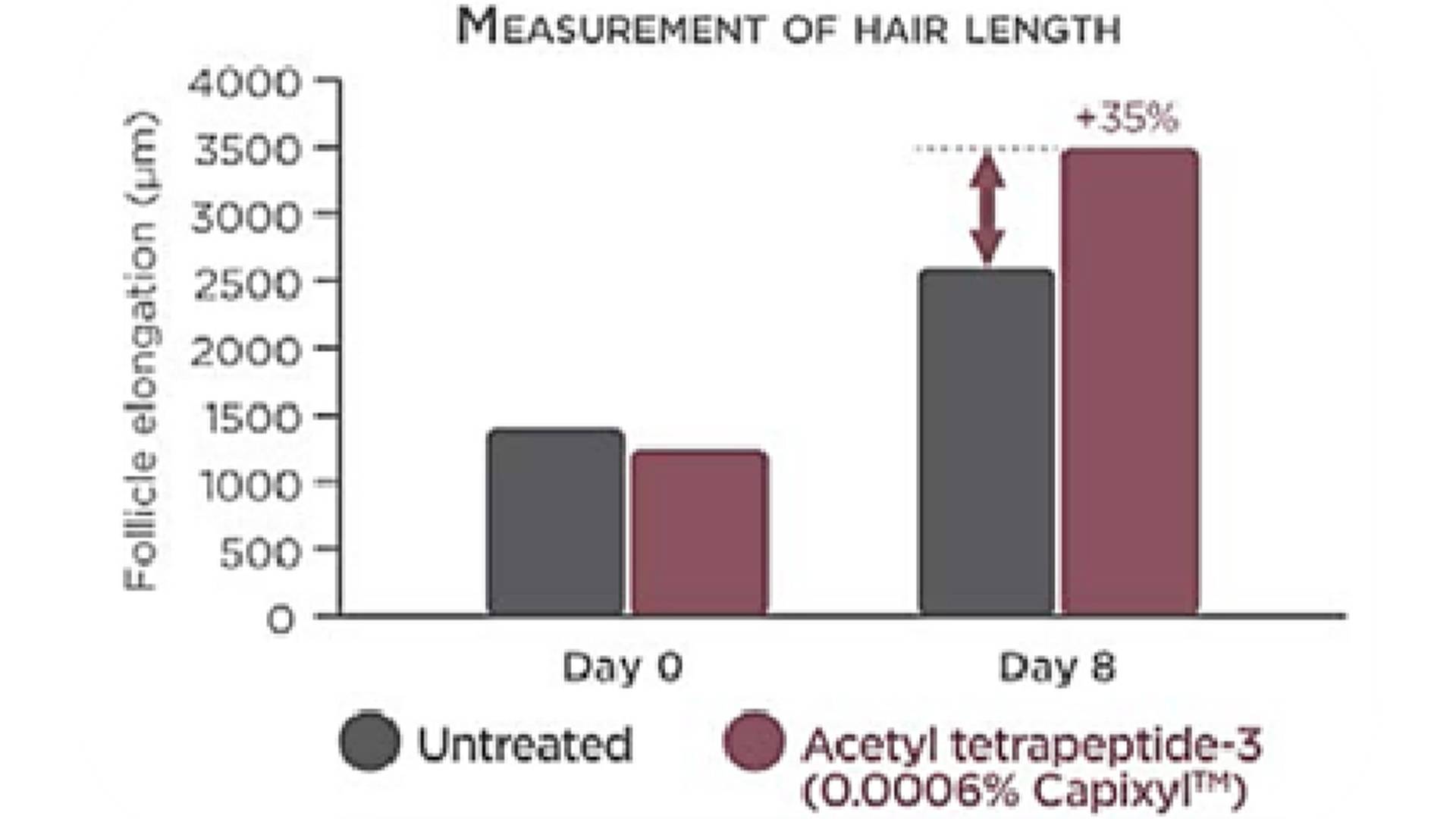
Image: Hair length measurement
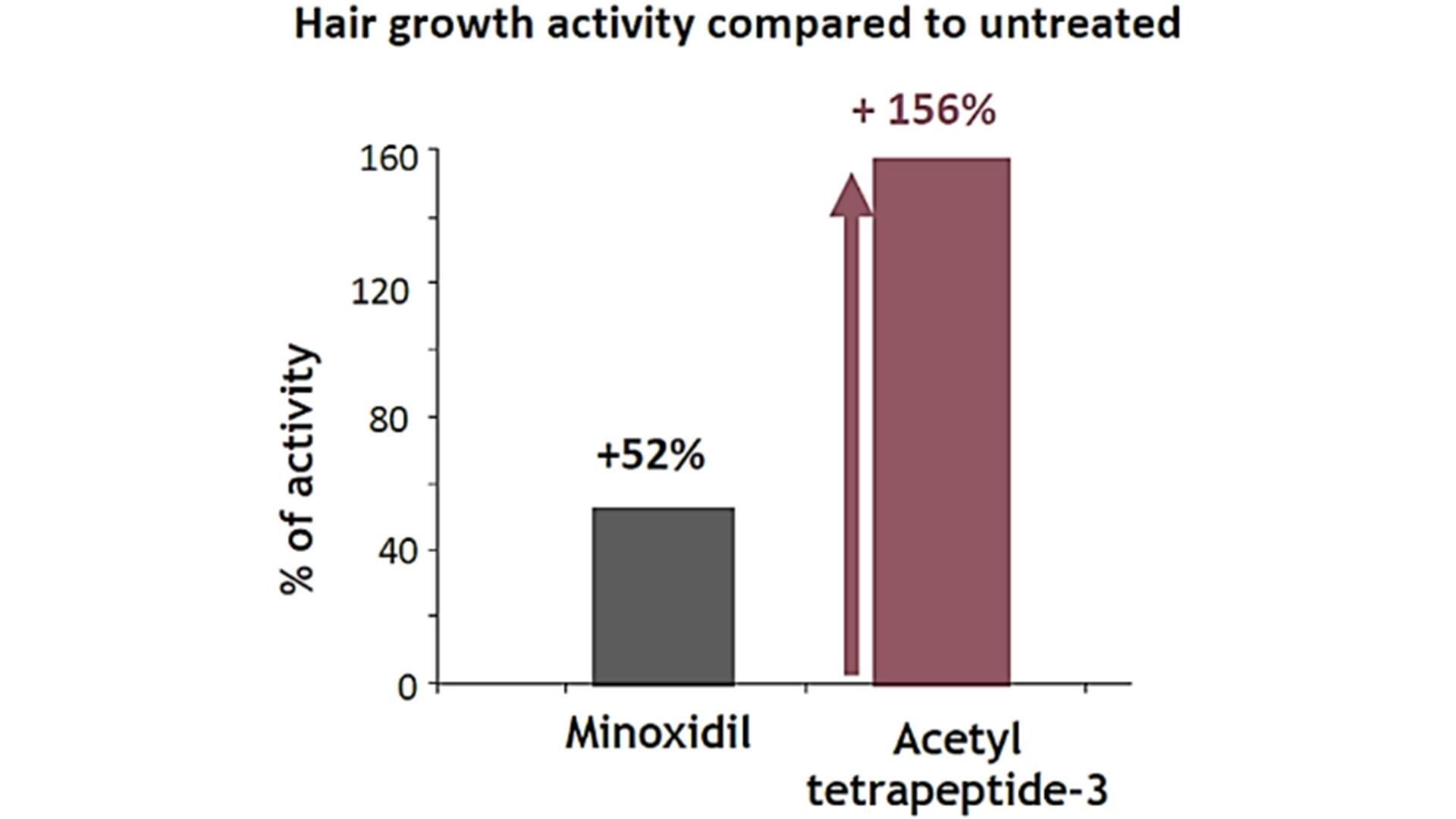
Figure: Hair growth rate of minoxidil and acetyl tetrapeptide-3
Recipe suggestions
1 Formulation Application:
Care products that promote the growth of eyelashes, hair, and eyebrows; can be used in mascara, eyelash serum, hair growth serum, etc.
2. Formulation Operation:
Add to the formulation at room temperature (≤40℃) in the final stage; water-soluble; good compatibility.
3. Recommended Dosage and Storage Conditions
Recommended Dosage: 1000ppm, 1-5%
Storage Conditions: Store in a cool, dark, clean, and sealed place at 2-8℃.
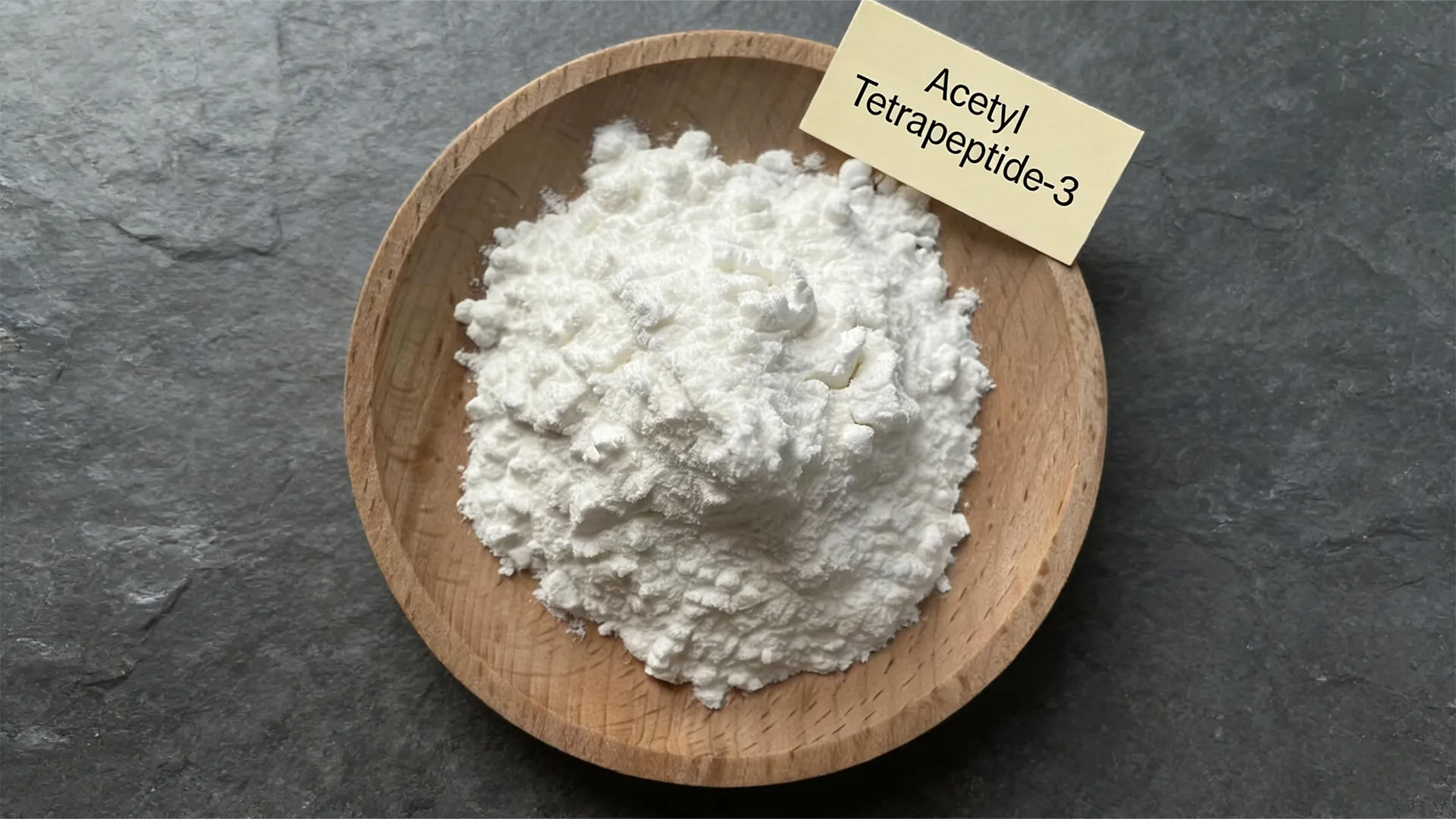
Our Advantages: Premium Acetyl Tetrapeptide‑3 Supply
We provide pharmaceutical‑grade Acetyl Tetrapeptide‑3 powder for global cosmetic brands, manufacturers, and laboratories with consistent quality and professional support.
1.Ultra‑High Purity & Stable Activity
Purity ≥98% (HPLC tested), low impurities, consistent batch‑to‑batch performance, ensuring formulation stability and efficacy.
2.Advanced Synthesis & Strict Quality Control
Produced under GMP standards; full testing for heavy metals, microbes, and residual solvents. Complete COA reports available for global market compliance.
3.Excellent Water Solubility & Formulation Flexibility
Ready‑to‑use in water‑based systems; compatible with serums, sprays, creams, and essences. We offer custom concentrations and packaging.
4.Stable Supply & Global Delivery
Large‑scale production capacity, in‑stock availability, fast lead times, and safe, reliable global shipping.